
Glass in a 500-Baht Scoop: How Bangkok's Most Hyped Gelato Ended Up in a Safety Scandal
The woman described the incident in the popular consumer group "We Are Consumers" (เราคือผู้บริโภค), a Facebook community where Thais compare notes on faulty products and bad service. As she ate, she said, she bit down on hard fragments that cut her tongue and the inside of her cheek. There was bleeding, and she swallowed some of the pieces before realizing what they were. Medical attention followed.
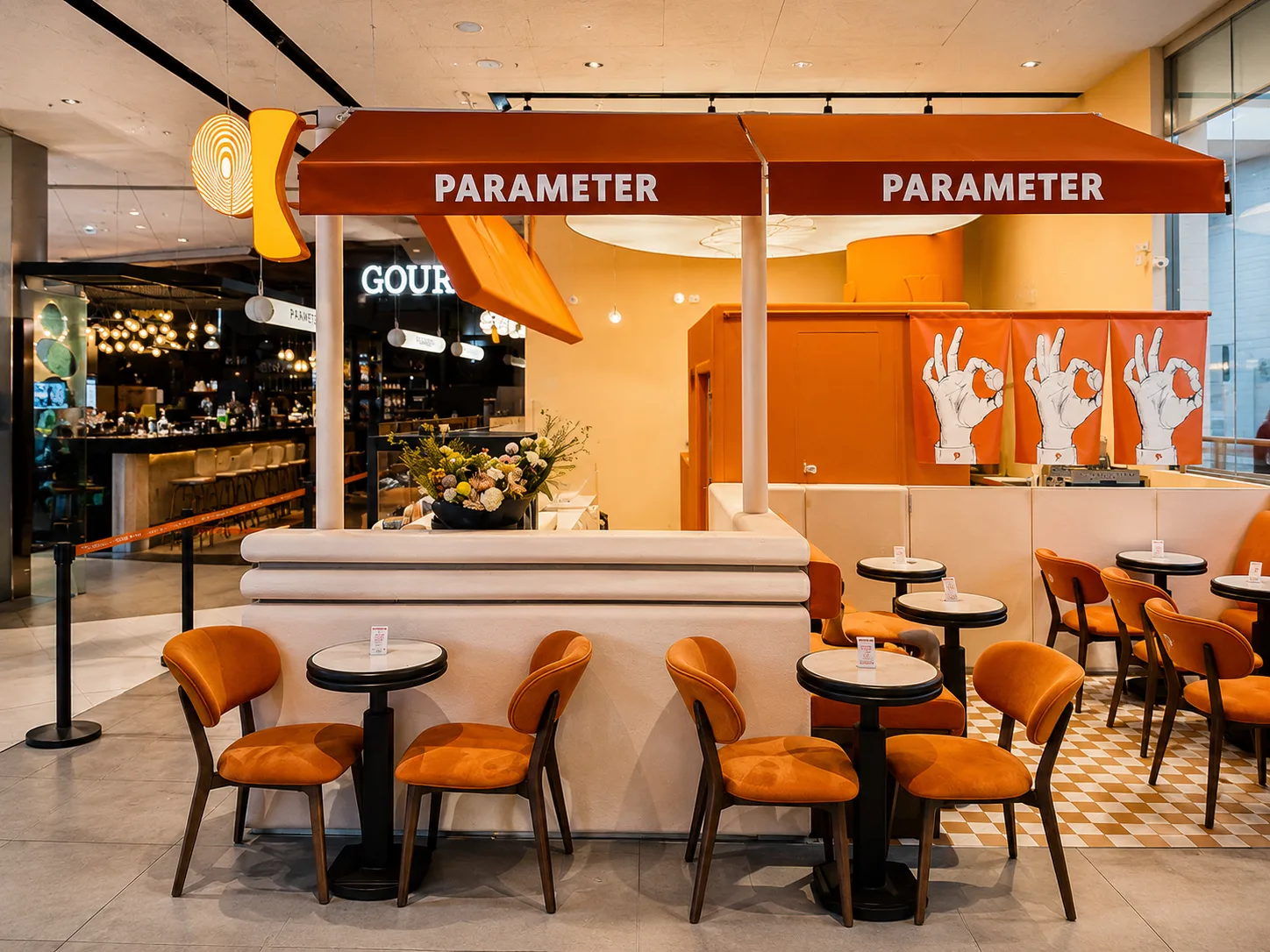
PARAMETER, the Thai gelato brand famous for the queues it draws at Siam Paragon and the arguments it starts over the price of a single scoop, has issued a public apology. The reason is a grim one: a customer found shards of glass in her dessert, cut her mouth, and ended up needing hospital treatment. Within hours the story was all over Thai social media, pushing the brand back to the top of the conversation — this time for reasons that have nothing to do with flavor.
The woman described the incident in the popular consumer group "We Are Consumers" (เราคือผู้บริโภค), a Facebook community where Thais compare notes on faulty products and bad service. As she ate, she said, she bit down on hard fragments that cut her tongue and the inside of her cheek. There was bleeding, and she swallowed some of the pieces before realizing what they were. Medical attention followed.
What angered her most was not the injury itself but the response that came after it. No one from senior management, she wrote, had reached out personally to apologize or to explain how glass had ended up in a dessert. That post was the spark. People began pressing the brand with an obvious question: how does something priced at several hundred baht a cup end up sending a customer to the hospital?
The company answered with a formal statement, released on 21 July. The wording was careful, as these statements usually are: "PARAMETER would like to express our sincere regret and heartfelt apology" to the customer for what occurred.
According to the brand, staff assisted the woman on the spot, advised her to see a doctor, covered all of her medical costs, and refunded the price of the dessert. From there came the familiar list of promises — a review and tightening of safety standards at every stage. The statement named specifics: the handling of glass containers, inspection before serving, operational procedures, and staff retraining. The company called the episode an "important lesson."
On paper, that closes the matter. PARAMETER apologized, paid, and pledged to do better. Plenty of commenters were not satisfied, though. To some, the compensation and the measured tone read less like a genuine reckoning and more like an attempt to move past an ugly moment before it did lasting damage.
To understand how a single complaint turned into a national talking point, it helps to know what kind of brand got caught up in it. PARAMETER is no ordinary ice-cream counter. Over the past year it has become one of the most talked-about food ventures in Thailand.
It started with the price. A 100-gram cup here runs from 159 to 559 baht, and figures as high as 700 to 900 baht have been floated for future flavors — steep by any local measure. Behind the brand is owner Pornpipat Wehappla, with Kris Sripoomseth as the recipe developer and public face, the one who explains to customers why a scoop of gelato should cost as much as a full meal.
Then the brand added the twist that turned it into a meme: rules for how to eat the thing. Guests were told not to chew the gelato and not to linger over photographs, on the logic that at roughly –7°C the texture degrades fast and the dessert has to be eaten a certain way to deliver its signature smoothness. To some, that sounded like care for the product. To others, it sounded like arrogance. Social media reacted the way you would expect: people filmed themselves pointedly chewing the expensive gelato and mocking the restrictions.
The paradox is that the criticism kept helping. The louder the debate over price and rules grew, the longer the lines got at the flagship counter in Siam Paragon. Thai marketers have picked the case apart as a textbook example of an information gap — when the signals about whether something is worth the money contradict each other, the tension is easiest to resolve one way: buy it and judge for yourself. A queue of influencers and the curious became content in its own right, the content pulled in more people, and the loop closed on itself.
Against that backdrop, the glass incident stings more than most. When you are selling not just ice cream but a premium experience, complete with its own rulebook and an above-market price tag, any failure of basic safety looks twice as loud. A costly product is expected to deliver more than taste; at a minimum, customers assume they can eat it without putting their health at risk.
It is still not clear where the glass came from — the tableware, the equipment, or somewhere in the packing process. The company has not said publicly, offering only broad language about tighter controls. Thai media and consumer groups will likely wait for a clearer explanation, and watch whether anything actually changes on the ground or the matter ends with a statement.
For PARAMETER, this is the first real test of its durability after a year of hype. The earlier controversies, over price and over rules, worked in the brand's favor and effectively sold it. An injury is a different kind of story. What is on the line now is not the image of the bold, expensive gelato but basic trust — and that is not a crisis you can spin into the next viral ad.