

Thailand Expands Crackdown on Nominee-Owned Businesses in Phuket
Thai authorities have intensified inspections of businesses in Phuket as part of a wider crackdown on illegal nominee ownership, following a high-profile incident during an inspection at Chabad House in Patong. The move signals a renewed effort to combat gray-market business practices in one of the country's most important tourism destinations.
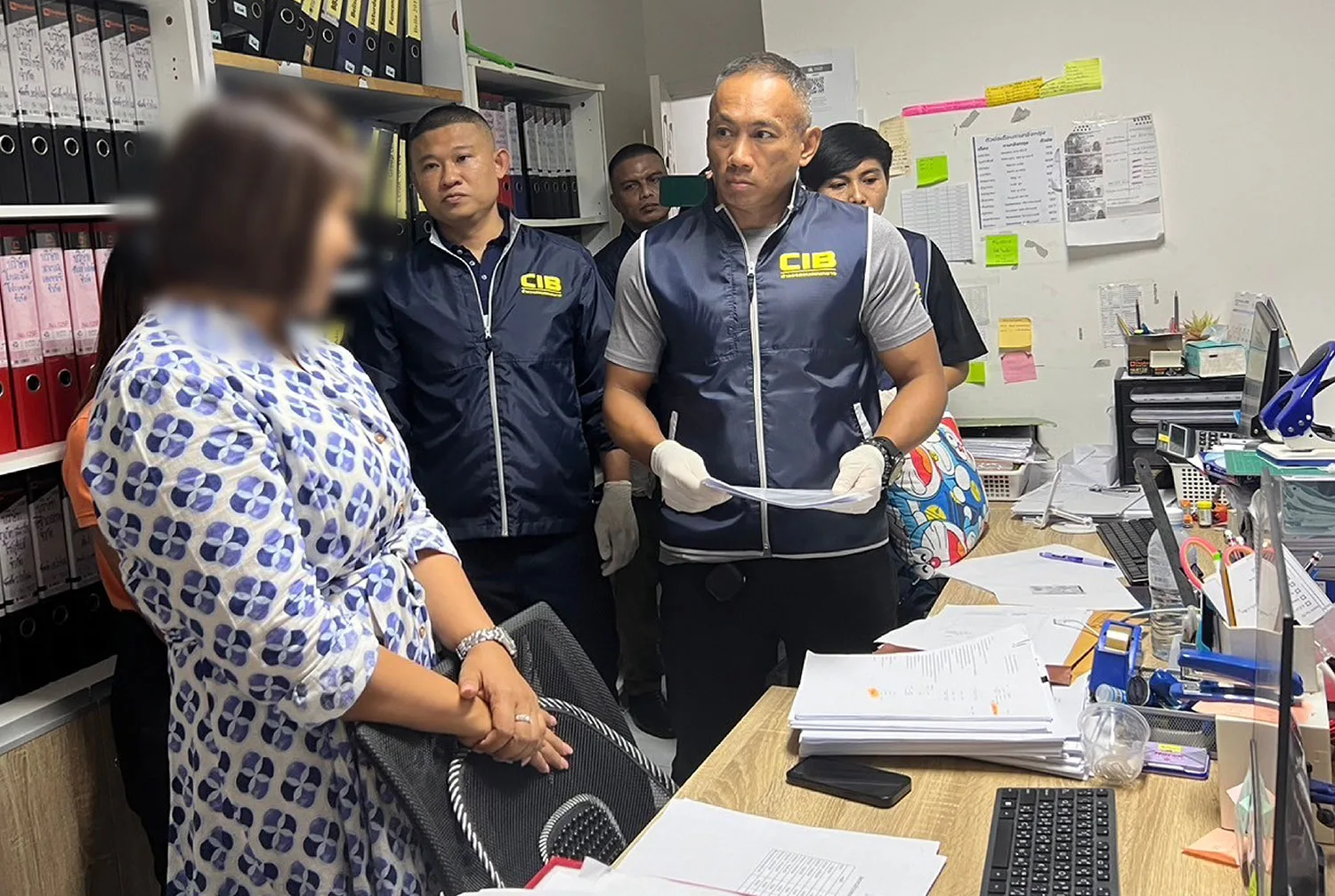
Thai authorities have intensified inspections of businesses in Phuket as part of a wider crackdown on illegal nominee ownership, following a high-profile incident during an inspection at Chabad House in Patong. The move signals a renewed effort to combat gray-market business practices in one of the country's most important tourism destinations.
The Thai government has expanded its investigation into businesses suspected of operating through nominee ownership structures, a practice in which Thai nationals are listed as the legal owners of companies that are effectively financed and controlled by foreign investors.
The decision follows a widely publicized incident during an official inspection at Chabad House in Patong, which drew significant public attention and prompted authorities to broaden their enforcement campaign across the island.
Officials are expected to focus on hotels, restaurants, tour operators, luxury villas, real estate businesses and other enterprises closely linked to foreign investment. Investigators will examine corporate records, financial transactions and management structures to determine who ultimately controls the businesses and benefits from their operations.
Under Thai law, foreign ownership is restricted in a number of business sectors. While legitimate investment is permitted under specific legal frameworks, some companies have attempted to bypass these restrictions by registering Thai citizens as shareholders or directors who serve only as nominal owners.
Authorities consider such nominee arrangements illegal because they allow foreign investors to exercise control over businesses that would otherwise be subject to ownership limitations or licensing requirements.
Government officials have stressed that the current campaign is not directed at any particular nationality, religion or community. Instead, they say the inspections are intended to ensure that all businesses operating in Thailand comply with the country's commercial and investment laws.
Phuket has long been one of Thailand's most attractive destinations for international investors, particularly in the hospitality, tourism and real estate sectors. The island's booming tourism industry has also made it one of the country's most closely watched regions when it comes to illegal business structures and regulatory enforcement.
Local business groups have repeatedly argued that nominee ownership creates unfair competition by allowing companies to circumvent regulations, taxation rules and foreign investment restrictions while competing directly with legally operated Thai businesses.
The latest inspections form part of a broader government effort to curb Thailand's gray economy and strengthen oversight in key tourism provinces. Investigators are expected to scrutinize not only shareholder registrations but also funding sources, financial flows, decision-making authority and the actual roles played by company executives and shareholders.
Businesses found to be operating through illegal nominee structures could face administrative penalties, criminal prosecution, license revocation and possible closure. Both foreign investors who secretly control businesses and Thai citizens acting as nominee shareholders may be held legally responsible.
For foreign entrepreneurs with operations in Phuket, the expanded inspections serve as a reminder that compliance extends beyond corporate paperwork. Authorities are placing increasing emphasis on identifying the true beneficial owners of businesses rather than relying solely on formal ownership records.
As Thailand continues to attract international investment, the government is seeking to strike a balance between maintaining an open business environment and enforcing laws designed to protect the integrity of its domestic economy. The renewed crackdown in Phuket suggests that nominee ownership will remain a major enforcement priority in the country's tourism sector.